
About Treatment Why Choose Us Locations FAQ Contact Book a Consultation
Specialized OCD Treatment

Evidence-Based OCD Therapy in Ontario

Compassionate, expert care from psychologists trained at Sunnybrook's Frederick W. Thompson Anxiety Disorders Centre. We treat all types of OCD using Cognitive Behavioural Therapy (CBT) and Exposure and Response Prevention (ERP).

  • Specialists in complex, treatment-resistant OCD
  • Personalized CBT & ERP treatment plans
  • Virtual sessions available across Ontario
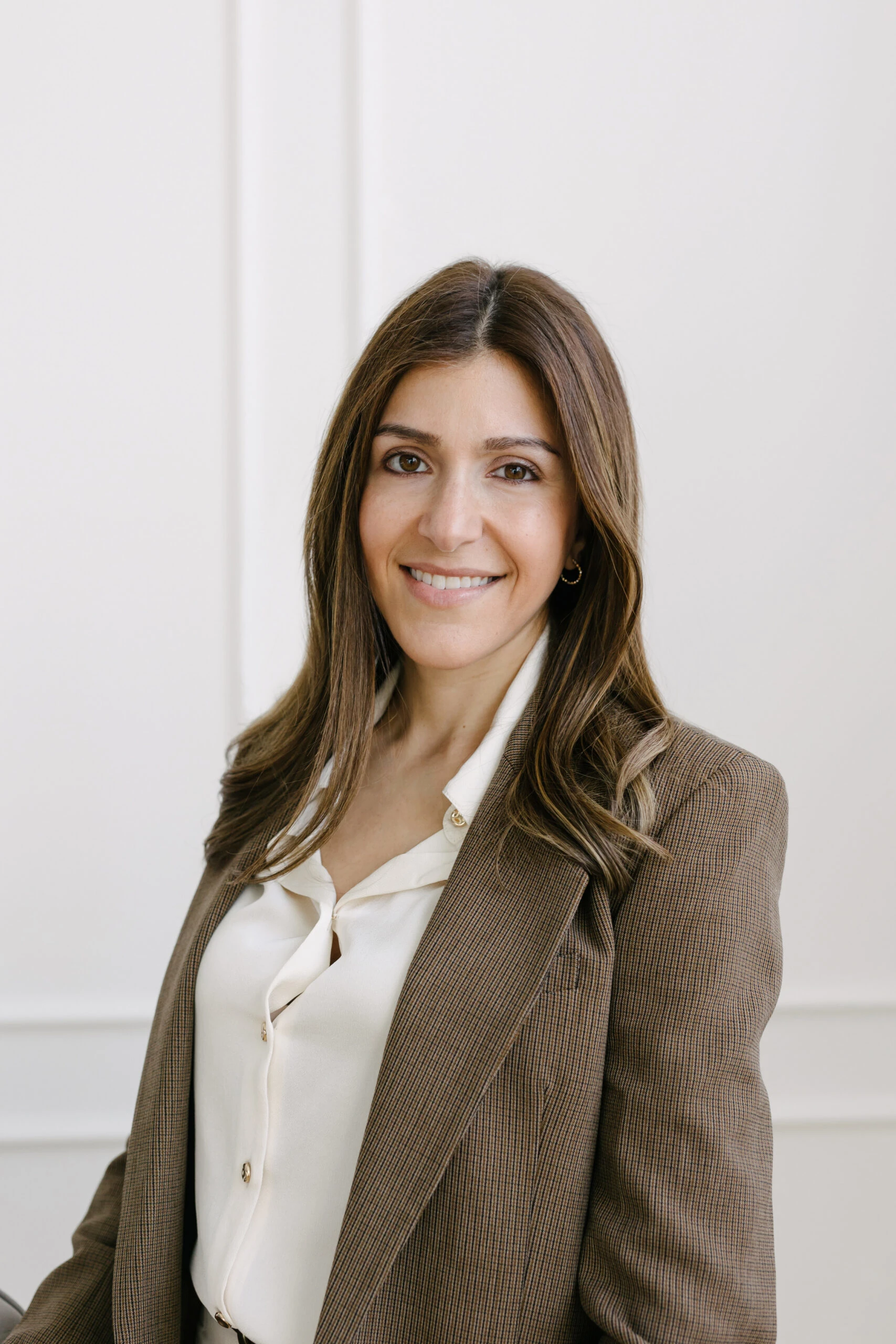
Dr. Katie Stewart and Dr. Melina Ovanessian
Meet Your Therapists

Specialists in Severe and Treatment-Resistant OCD

Drs. Ovanessian and Stewart have extensive experience providing evidence-based therapy for OCD — including training at the Frederick W. Thompson Anxiety Disorders Centre intensive program at Toronto's Sunnybrook Hospital, where they worked in both residential and day treatment programs for adults with complex, treatment-resistant OCD.

Dr. Melina Ovanessian

Dr. Melina Ovanessian

Ph.D., C.Psych.
Registered Clinical Psychologist

Dr. Katie Stewart

Dr. Katie Stewart

Ph.D., C.Psych.
Registered Clinical Psychologist

Drs. Ovanessian and Stewart both earned their Ph.D.s in Clinical Psychology from Toronto Metropolitan University and trained alongside one another at Sunnybrook's Frederick W. Thompson Anxiety Disorders Centre intensive OCD program, St. Joseph's Healthcare Hamilton, and St. Michael's Hospital. Together they provide evidence-based assessment and therapy for OCD, anxiety disorders, PTSD, perfectionism, and depression, drawing on CBT, ERP, Cognitive Processing Therapy (CPT), and mindfulness-based interventions.

Dr. Ovanessian additionally trained at CAMH, and her research — funded by the Canadian Institutes of Health Research — focuses on optimizing treatment techniques for clinical outcomes. Dr. Stewart serves as a Clinical Consultant with the Ontario Structured Psychotherapy Program at Ontario Shores, a Board Member of the Ontario Psychological Association, and a Qualified Provider of Cognitive Processing Therapy.

Together they offer care that is collaborative, compassionate, and goal-oriented — empowering clients to face life's challenges with courage, clarity, and self-compassion.

  • OCD
  • Anxiety Disorders
  • PTSD
  • Depression
  • Perfectionism
  • CBT & ERP
  • CPT & Prolonged Exposure
Our Approach

Cognitive Behavioural Therapy & ERP for OCD

We treat all types of OCD — including contamination, “just not right,” responsibility/harm, pedophilic/sexual, and religious OCD — using the gold-standard treatments backed by decades of research.

Cognitive Behavioural Therapy

CBT for OCD focuses on gradually reducing and eliminating compulsive behaviours (rituals). Treatment helps clients tolerate and change their relationship to unwanted and distressing thoughts so they can live a life free of compulsions.

Exposure & Response Prevention

ERP is the core CBT technique for OCD. It involves gradually facing anxiety-provoking thoughts or situations while resisting the urge to perform compulsions, breaking the OCD cycle.

Personalized Treatment Plans

Treatment begins with a personalized hierarchy of feared situations and identifying related rituals. Clients work through exposures step-by-step, both during sessions and between sessions.

Types of OCD We Treat

Comprehensive Care for Every Presentation

Contamination OCD
"Just Not Right" OCD
Responsibility / Harm OCD
Pedophilic / Sexual OCD
Religious / Scrupulosity OCD
Mental Compulsions
FAQ

Frequently Asked Questions about OCD Treatment

What is CBT for OCD?

Cognitive Behavioural Therapy (CBT) for OCD focuses on gradually reducing and eliminating compulsive behaviours (rituals). Treatment helps clients tolerate and change their relationship to unwanted and distressing thoughts so that they can live a life free of compulsions.

What is Exposure and Response Prevention (ERP)?

ERP is a core CBT technique for OCD. It involves gradually facing anxiety-provoking thoughts or situations (exposures) while resisting the urge to perform compulsions (response prevention).

How does ERP work in treatment?

Treatment begins by creating a personalized hierarchy of feared situations and identifying related rituals. Clients then work through these exposures step-by-step, both during sessions and between sessions.

Why do compulsions make OCD worse?

Compulsions provide short-term relief from distressing thoughts, but they reinforce the OCD cycle over time, making symptoms stronger and more frequent.

Performing compulsions makes your brain believe that the compulsion prevented an unwanted outcome, even if that isn't true. It keeps you stuck, with the compulsions often becoming more elaborate and complex to try to ward off unwanted outcomes (e.g., becoming sick, harming someone).

What is the goal of ERP?

ERP aims to break the link between obsessive thoughts and compulsive behaviours. Over time, this reduces the urge to perform rituals and helps individuals tolerate distress without relying on compulsions. It allows them to learn that they do not need to perform the compulsion in order to prevent unwanted outcomes or to alleviate distress.

What happens during an exposure?

During an exposure, you intentionally face a feared thought, image, or situation. While the urge to perform a ritual may arise, the focus is on delaying and eventually completely resisting that urge, building confidence and reducing anxiety over time.

What do OCD exposures look like?

ERP is tailored to the client's specific obsessions and compulsions. For a client with germ OCD, treatment may involve touching an object like a doorhandle and then not washing their hands. Someone with harm OCD may go for a drive without retracing their route to see if they have hit someone with their car.

Because there are many ways OCD can present, exposures can be very broad. Some people engage in mental compulsions, and thus treatment may focus on bringing on an unwanted thought (e.g., "imaginal exposure") and not engaging in any mental behaviour to try to replace or eradicate the thought (e.g., praying, counting, replacing a "bad" thought with a "good thought," mental reviewing). We treat all types of OCD, including contamination, "just not right," responsibility/harm, pedophilic/sexual, and religious OCD.

Are exposures safe?

We will never ask you to do an exposure that will put you in a highly risky/unsafe situation, or that is illegal. We won't ask you to do things that we wouldn't do with you.

What is the frequency of treatment?

Treatment sessions for OCD should be at minimum once a week. More frequent treatment may increase the speed of progress. As clients become more confident in engaging in exposure by themselves, treatment can become less frequent.

Get Started

Book a Consultation

Take the first step toward freedom from OCD. Fill out the form below and a member of our team will reach out to schedule your consultation.

Your information is confidential. We typically respond within 1–2 business days.

Our Locations

Two Convenient Toronto Offices

Visit us at either of our downtown Toronto locations, or meet with us virtually from anywhere in Ontario.

Midtown

Located in Yonge Eglinton Centre

2300 Yonge St #1600
Toronto, ON M4P 1E4

Get Directions

First Canadian Place

Located in First Canadian Place

100 King St W #5700
Toronto, ON

Get Directions